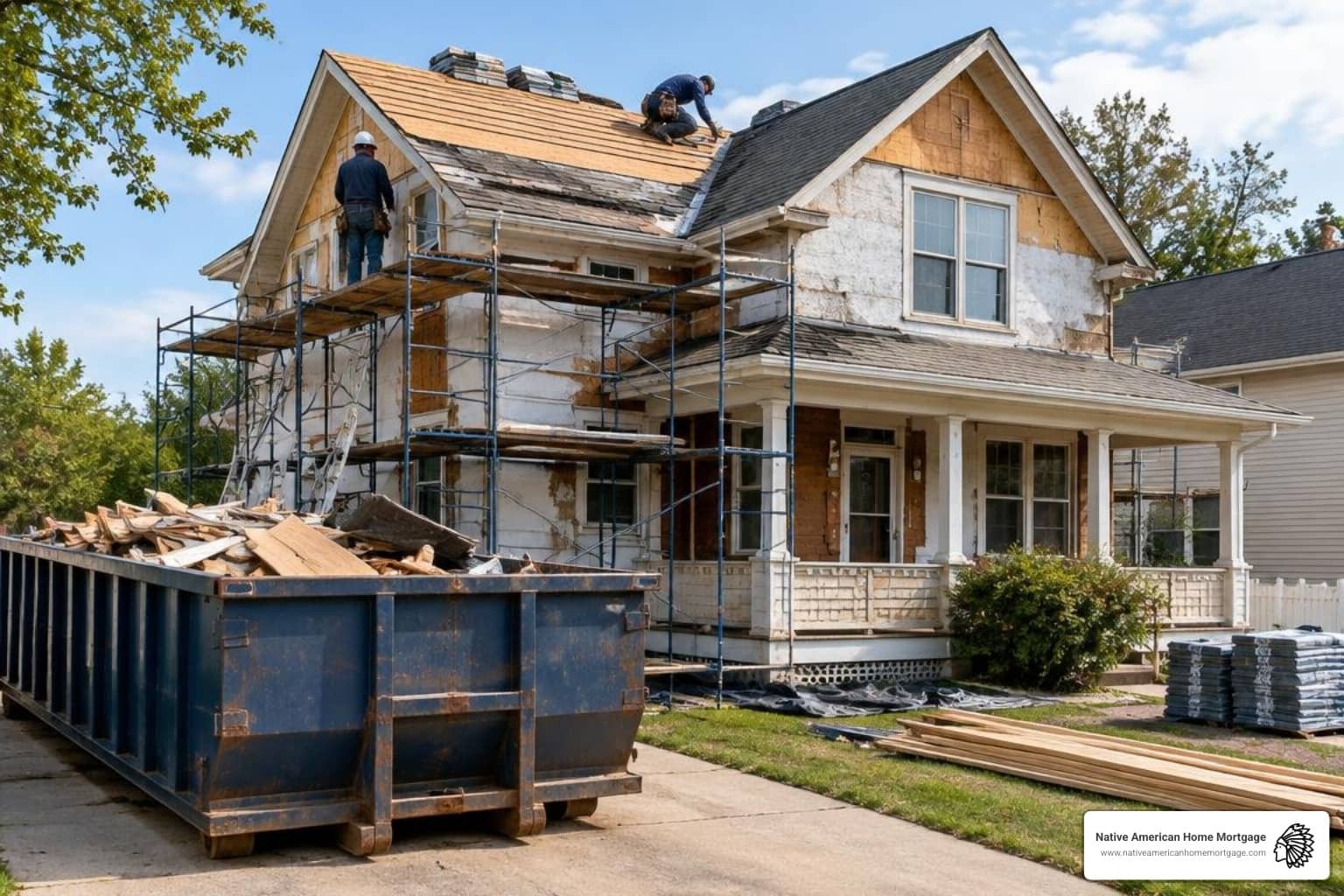
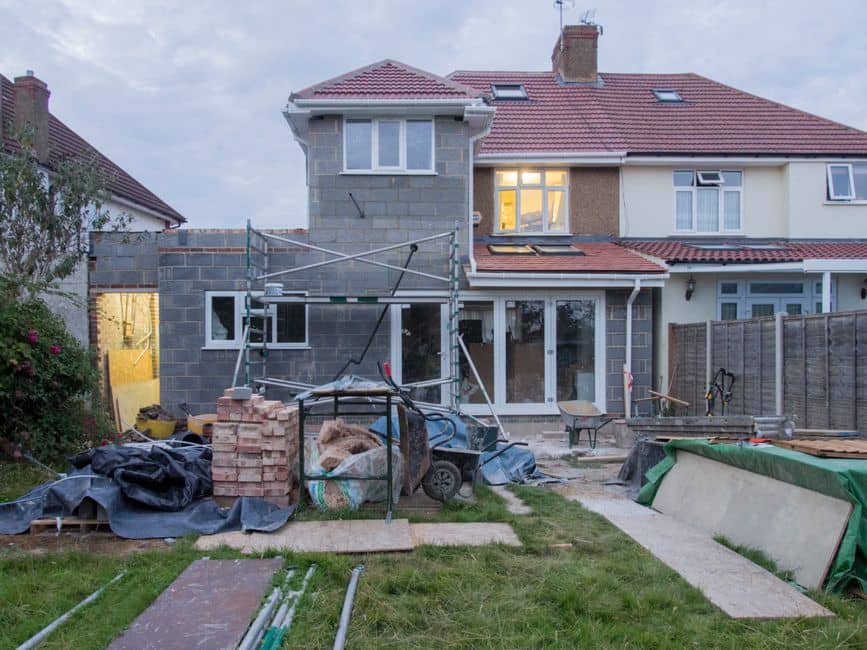
Overview of Limited vs. Standard FHA 203k Loans
Qualifying for an FHA 203k loan generally requires a minimum credit score of 580 for a 3.5% down payment, or 500–579 for a 10% down payment, with the down payment calculated on the total purchase price plus renovation costs. Lenders typically look for a back-end debt-to-income ratio around 43%, though automated underwriting may approve higher ratios with compensating factors, and you must occupy the property as your primary residence. Once you meet those baseline requirements, the scope of your vision dictates the mortgage path you take. The Federal Housing Administration divides rehabilitation financing into two distinct tracks: the Limited 203(k) and the Standard 203(k). Understanding the boundary between cosmetic updates and structural alterations determines which program fits your scenario.
HUD established these two tiers to keep simpler remodels moving swiftly while providing strict architectural oversight for complex construction. You can review the foundational HUD 203(k) rehabilitation program guidelines to see how federal oversight protects both the homeowner and the property’s structural integrity.
| Feature | Limited 203(k) | Standard 203(k) |
|---|---|---|
| Primary Project Scope | Non-structural repairs, modernizations | Major structural changes, additions |
| Repair Budget Floor | No statutory minimum | $5,000 minimum |
| Repair Budget Ceiling | $75,000 cap | No cap (up to county loan limit) |
| HUD Consultant | Not required (optional) | Mandatory |
| Allowed Project Duration | Up to 9 months | Up to 12 months |
| Structural Alterations | Strictly prohibited | Permitted |
| Contingency Reserve | Optional (up to 10-20%) | Mandatory (10% to 20%) |
Limited 203k Guidelines and the $75,000 Repair Cap
The Limited 203(k) program is designed for non-structural updates and surface modernizations. In 2026, HUD maintains the updated $75,000 repair cap for non-structural projects, expanding purchasing power compared to historical $35,000 baseline limits.
This program works best for cosmetic improvements, including:
- Updating outdated kitchens and bathrooms
- Installing new flooring, trim, and drywall finishes
- Replacing obsolete HVAC equipment, water heaters, and electrical panels
- Upgrading exterior siding, windows, and entry doors
- Painting interior and exterior surfaces
Because no load-bearing walls are moved or foundations touched, you do not need a HUD consultant. Renovation tasks must be completed within a nine-month timeline. Additionally, HUD protects borrowers from excessive upfront costs by capping supplemental origination fees on the Limited track to the greater of $350 or 1.5% of the total renovation budget (never to exceed $525).
Standard 203k Guidelines for Major Structural Projects
The Standard 203(k) covers extensive structural overhauls and deep remediation. It requires a minimum of $5,000 in eligible repairs and has no maximum dollar limit other than the local FHA county loan ceiling.
Projects requiring a Standard 203(k) include:
- Modifying load-bearing walls or restructuring floor plans
- Constructing new room additions, second-story expansions, or attached garages
- Complete plumbing repiping, sewer lateral replacements, and main electrical service overhauls
- Repairing damaged subfloors, compromised framing, and cracked foundations
- Relocating exterior walls, major roofline reconstructions, and site grading
Because of the architectural complexity, the Standard 203(k) requires a licensed HUD-approved 203(k) consultant to oversee the project write-up, manage site inspections, and authorize contractor draw disbursements. Borrowers receive up to twelve months after closing to complete all construction milestones.
Financial Requirements for Qualifying for an FHA 203k Loan
Underwriting an FHA renovation mortgage requires a close look at your broader financial profile. Lenders assess credit reliability, debt-to-income (DTI) ratios, and cash reserves to ensure you can comfortably manage your single monthly mortgage payment while handling routine homeownership expenses. To balance your options early in the process, explore a practical guide to home financing options alongside standard FHA underwriting rules.
Credit Score and Down Payment Rules when Qualifying for an FHA 203k Loan
Down payment minimums directly align with your middle credit score:
- 580+ Credit Score: Unlocks the 3.5% minimum down payment tier.
- 500 to 579 Credit Score: Requires a 10% down payment.
The down payment calculation for a 203(k) mortgage is unique: the 3.5% down payment is calculated against the total acquisition cost (the base purchase price plus the total renovation budget, inspection fees, and contingency reserves), not just the property’s contract purchase price.
HUD allows 100% of your down payment and closing costs to be covered via documented gift funds from family members, approved non-profit housing programs, or employer assistance programs.
Debt-to-Income Limits and Employment Verification
FHA automated underwriting systems benchmark standard qualification at a 43% back-end debt-to-income ratio (total monthly liabilities plus new housing payment divided by gross monthly income). Higher ratios—frequently up to 45% to 50%—can be approved by automated underwriting systems when backed by compensating factors such as:
- Substantial post-closing cash reserves
- Minimal reliance on revolving credit
- Demonstrated history of successfully paying higher housing expenses
Underwriters require a verified two-year history of continuous employment or stable self-employment income documented through W-2s, pay stubs, and federal tax returns. If you are renovating a 2- to 4-unit property, projected market rental income from the non-occupied units can often be used to offset housing expenses and lower your qualifying DTI ratio.
Eligible Property Types and Renovation Scopes

FHA 203(k) loans accommodate a wide variety of residential housing types, provided the structure serves as the borrower’s primary residence. Eligible property categories include:
- Detached single-family homes
- 2- to 4-unit residential buildings (duplexes, triplexes, four-plexes)
- Existing structures being converted into 1- to 4-unit dwellings
- Manufactured housing completed for at least one year (Standard 203k repairs capped at the lesser of 50% of as-completed value or $50,000)
- Individual condominium units within FHA-approved complexes (interior non-structural updates only)
Eligible Native American borrowers seeking renovation funds should also consider tribal land financing pathways like the Section 184 Indian Housing Loan Guarantee Program to compare down payments, loan limits, and mortgage insurance terms against standard FHA programs.
Single-Family, Multi-Unit Properties, and ADUs
Multi-unit properties present a strong wealth-building and house-hacking pathway. You can purchase a multi-family building with as little as 3.5% down, live in one unit, and use 203(k) escrow funds to modernize the remaining rental units.
Renovation funds can also build or convert Accessory Dwelling Units (ADUs), such as transforming a detached garage into a legal living unit or finishing a walkout basement apartment. In designated high-cost markets across California and the broader western region, HUD sets elevated single-family and multi-unit lending ceilings:
- Single-Family Limit: Up to $1,249,125 in high-cost metro areas
- Four-Plex Limit: Up to $2,402,625 in high-cost metro areas
Allowable Repairs vs. Ineligible Luxury Upgrades
FHA prioritizes core health, safety, structural stability, and energy efficiency. Every project must bring the home into compliance with HUD Minimum Property Standards (MPS) before funds go toward aesthetic upgrades.
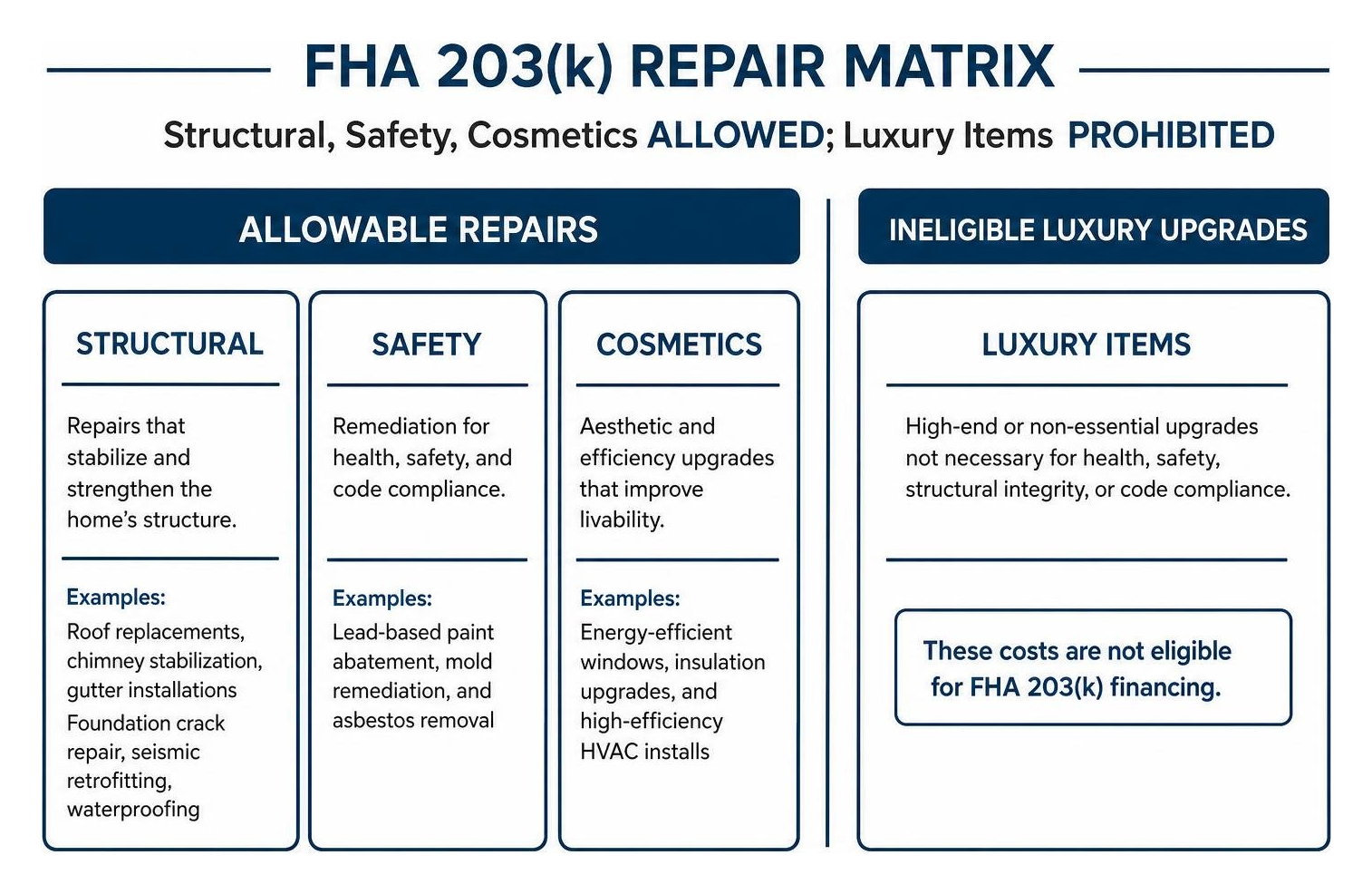
Allowable Repairs:
- Roof replacements, chimney stabilization, and gutter installations
- Foundation crack repair, seismic retrofitting, and waterproofing
- Lead-based paint abatement, mold remediation, and asbestos removal
- Energy-efficient windows, insulation upgrades, and high-efficiency HVAC installs
- Complete kitchen and bathroom overhauls, flooring, and interior drywall repairs
- Major accessibility updates (ramps, walk-in showers, wider doorways)
Ineligible Luxury Projects:
- New swimming pool construction or existing pool structural overhauls
- Exterior hot tubs, saunas, and steam rooms
- Outdoor barbecue kitchens, tennis courts, and fire pits
- Additions dedicated to luxury commercial uses
The Rehab Logistics: HUD Consultants, Contractors, and Escrow Draws
Managing renovation funds requires a clear process between the lender, contractor, and borrower. FHA renovation funds are not handed directly to the borrower at the closing table. Instead, they are placed in a secure escrow holdback account and disbursed in milestones as work is completed and verified.
Lenders manage these transactions using formal FHA 203(k) program guidelines to verify documentation, title endorsements, and contractor compliance.
HUD Consultant Requirements and Work Write-Ups
On a Standard 203(k), the HUD consultant serves as an independent project manager. Their responsibilities include:
- Initial Site Inspection & Feasibility Study: Evaluating the home’s primary systems and structural components to identify required code repairs.
- Detailed Work Write-Up & Cost Estimate: Preparing an itemized scope of work breaking down material specs, labor costs, and required permits.
- Contingency Reserve Allocation: Establishing a mandatory 10% to 20% contingency reserve within the loan to cover hidden mechanical, electrical, or structural issues discovered during demolition.
- Draw Inspections: Visiting the job site after each phase to verify work quality before authorizing release of funds from escrow.
Contractor Bids, Vetting, and Draw Schedules
HUD guidelines require all work to be executed by independent, licensed, and fully insured general contractors. Borrowers cannot complete “sweat equity” DIY tasks on structural, electrical, mechanical, or plumbing systems.
Your general contractor must supply:
- Active state contractor licensing and comprehensive general liability insurance
- A line-item, fully broken down bid separating labor from material expenses
- A signed agreement confirming work will begin within 30 days of loan closing
- Agreement to a milestone-based draw schedule, where payments are released in arrears following passed municipal and HUD inspections
Step-by-Step Milestones in Qualifying for an FHA 203k Loan
To move smoothly from house hunting to construction, follow this sequence:
- Lender Pre-Approval: Secure a specialized renovation pre-approval that accounts for purchase and rehab limits. Review this FHA 203k pre-approval roadmap to organize your documents early.
- Find an Eligible Property: Identify a property with sound structural potential and write a purchase offer that accommodates standard 203(k) closing timelines (usually 45 to 60 days).
- Engage Contractor & HUD Consultant: Secure itemized bids and complete the formal HUD work write-up.
- As-Completed Appraisal: The appraiser determines the future market value based on architectural plans and proposed repairs. FHA guidelines permit total financing up to 110% of the after-repair value (ARV).
- Loan Underwriting & Closing: The lender underwrites both your financial profile and the renovation scope, funds the purchase, and deposits construction capital into escrow.
- Execution & Final Draw: The contractor completes work under the 9- to 12-month schedule, passes final inspections, and receives final escrow holdback funds.
Common Mistakes to Avoid During the 203k Loan Process
Renovation financing involves multiple moving parts. Watch out for these common missteps:
- Submitting Vague Contractor Bids: Underwriters reject lump-sum bids like “Remodel Kitchen: $30,000.” Estimates must detail specific unit costs, materials, and labor breakdowns line by line.
- Underfunding Contingency Reserves: Old homes frequently hide unexpected issues behind drywall, such as outdated wiring or rotted framing. Cutting your contingency reserve to the bare minimum risks out-of-pocket expenses later.
- Making Unapproved Mid-Project Change Orders: Changing materials or expanding the project scope without written lender and HUD consultant authorization stalls draw disbursements and delays contractor payments.
- Missing FHA Move-In Timelines: FHA rules require you to take physical occupancy of the home as your primary residence within 60 days of closing (or within 30 days of the contractor completing work for major uninhabitable projects).
- Ignoring Local Permitting Timelines: Not accounting for city or county permit processing times can cut into your construction schedule before work even starts.
Frequently Asked Questions About FHA 203k Loans
Can I do the renovation work myself with an FHA 203k loan?
No. HUD rules require all renovation work to be performed by licensed, insured, and experienced general contractors. The FHA restricts DIY work to protect the structural integrity of the home and ensure the finished property meets all municipal codes and minimum property safety standards.
How is the maximum loan amount calculated for an FHA 203k loan?
Your maximum allowable mortgage amount is the lesser of two distinct calculations:
- The contract purchase price plus the total cost of renovations (including contractor labor, materials, permits, consultant fees, and contingency reserves).
- 110% of the property’s projected after-repair value (ARV), as established by an FHA as-completed appraisal.
In all scenarios, the final combined loan amount cannot exceed the statutory maximum FHA loan limit for that specific county.
Can I use an FHA 203k loan to buy and renovate an investment property?
An FHA 203(k) cannot be used to purchase pure, non-owner-occupied investment properties or second homes. However, you can use the loan for a 2- to 4-unit multi-family property as long as you occupy one of the units as your primary residence for at least one full calendar year. This allows you to renovate your living space alongside the adjoining tenant units using low-down-payment FHA financing.
Conclusion
An FHA 203(k) renovation mortgage turns a distressed, outdated fixer-upper into an updated home with built-in equity. By combining your purchase price and repair budget into a single mortgage with just 3.5% down, you can skip costly personal loans, bridge financing, and high-interest credit cards.
Understanding the qualification guidelines—from credit thresholds and contractor vetting to HUD consultant write-ups—helps you move through the process with confidence. When you are ready to explore your options, review our full guide on navigating the 203k FHA loan rehab process to build a solid financing plan for your next home.