Understanding the Section 184 Indian Mortgage Loan Program
A Section 184 Indian mortgage loan is a HUD-guaranteed mortgage designed for Native American and Alaska Native borrowers, offering low down payments and flexible financing on or off tribal trust land. The Section 184 Indian Home Loan Guarantee Program was established by Congress in 1992 through the Housing and Community Development Act. Historically, commercial lenders were reluctant to issue mortgages on Native land. Because tribal trust land and allotted trust land are held in trust by the federal government for the benefit of sovereign tribal nations, standard foreclosure procedures do not apply. This unique legal status created severe lending barriers for Native families seeking to achieve homeownership.
To eliminate these barriers, the U.S. Department of Housing and Urban Development (HUD) guarantees 100% of the loan against default. This federal guarantee gives private lenders the confidence to offer competitive financing to Native American and Alaska Native families, whether they choose to live on tribal trust land, allotted land, or standard off-reservation fee-simple real estate.
Under this program, borrowers can secure financing with as little as 2.25% down payment for loans of $50,000 or more, or 1.25% down for properties under $50,000. Additionally, rather than charging expensive, recurring monthly private mortgage insurance (PMI), Section 184 loans utilize a modest upfront loan guarantee fee (which can be financed directly into the loan amount) alongside a low annual mortgage insurance premium (MIP). Exploring what is a HUD 184 loan reveals how it bridges the gap between conventional lending and sovereign land ownership.
Key Benefits of an Indian Mortgage Loan
Securing an indian mortgage loan under Section 184 delivers significant financial advantages compared to conventional mortgage products and other government-backed alternatives:
- Extremely Low Down Payment: Borrowers only need 1.25% to 2.25% down, which can come from personal savings, tribal grants, or documented family gifts.
- No Traditional Private Mortgage Insurance (PMI): By avoiding monthly private mortgage insurance fees that standard conventional mortgages mandate for down payments under 20%, your monthly payment remains significantly lower.
- Capped Interest Rates and Fees: Financing is offered strictly on fixed-rate terms at prevailing market rates, preventing predatory balloon payments or sudden rate shocks.
- Flexible Underwriting Guidelines: Section 184 allows for manual underwriting, accommodating non-traditional credit histories and non-standard income structures.
- Versatile Property Uses: You can use funds to buy an existing single-family residence, build a custom home from the ground up, rehabilitate an older home, or refinance an existing mortgage to extract equity or lower your payment.
Eligible Property and Land Types
Section 184 is uniquely designed to support a wide range of property and land tenure arrangements across participating states.
Eligible property types and land designations include:
- Single-Family Homes: Standard detached single-family dwellings, townhomes, and approved condominium units.
- Manufactured Housing: New manufactured homes permanently affixed to an engineered foundation on owned or leased land.
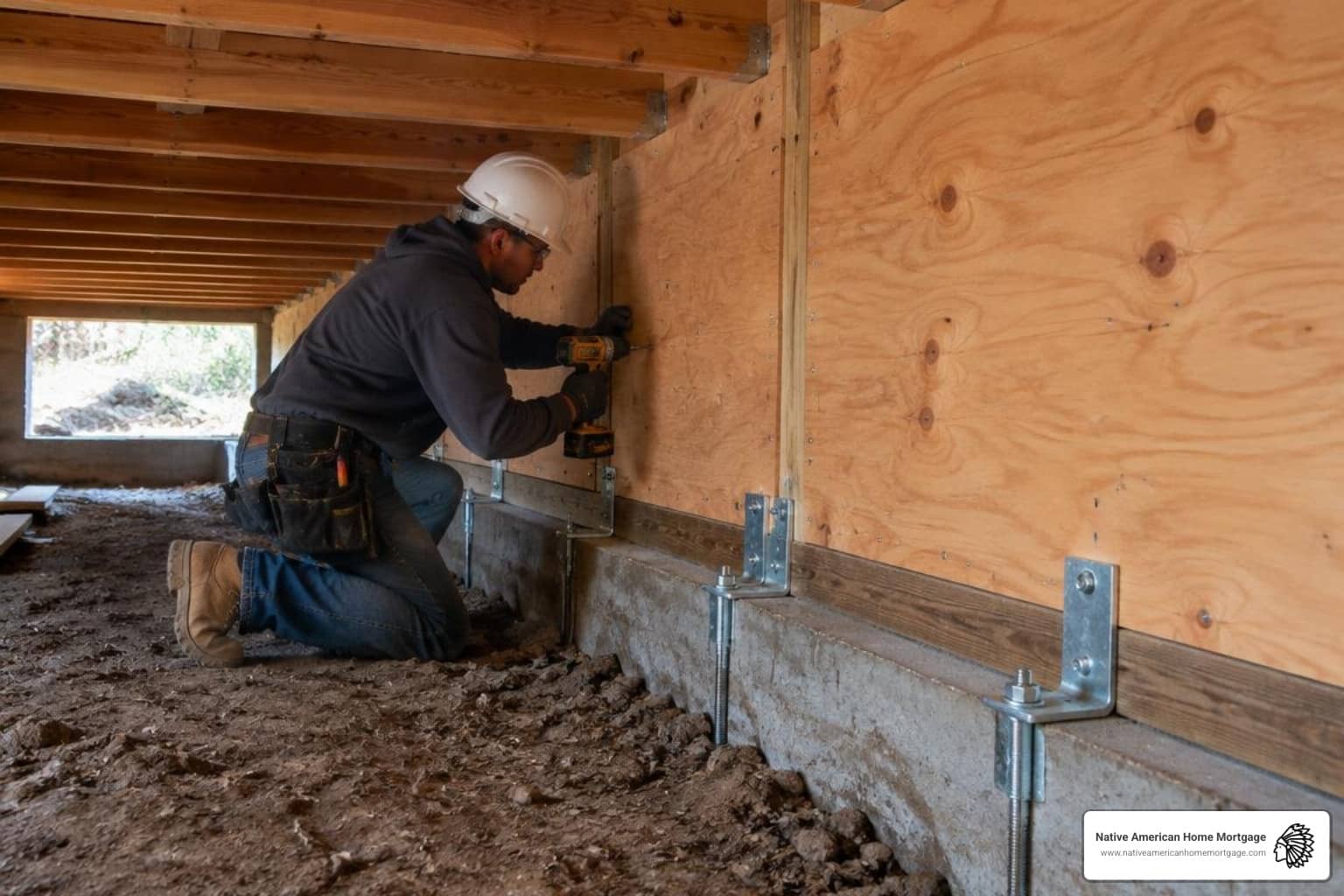
- New Construction and Rehabilitation: Loans covering both construction financing and permanent long-term mortgages under a single closing.
- Tribal Trust Land: Land held in trust by the United States government for a tribe, where individual ownership is granted through tribal land assignments or residential ground leases.
- Allotted Trust Land: Parcels held in trust for individual tribal members.
- Fee-Simple Land: Standard deeded, private land located inside or outside reservation boundaries.
Navigating the nuances of land status is an essential part of demystifying Section 184 for first-time buyers and seasoned homeowners alike.
Eligibility Guidelines and Credit Requirements
Securing approval requires meeting clear guidelines established by HUD, balancing tribal heritage verification with sound financial fundamentals. Borrowers must demonstrate the capacity to manage their monthly mortgage obligations while meeting loan-to-value (LTV) and debt-to-income benchmarks.
Who Qualifies for an Indian Mortgage Loan?
To participate in the program, applicants must fall into one of the following eligible categories:
- Enrolled Tribal Members: Individual American Indians who are enrolled members of a federally recognized tribe.
- Alaska Natives: Enrolled members of recognized Alaska Native villages or regional corporations.
- Tribally Designated Housing Entities (TDHEs): Tribal housing authorities and tribally designated housing entities purchasing or developing homes for tribal members.
- Federally Recognized Tribes: Sovereign tribal governments acquiring residential units for community housing.
Applicants establish eligibility by providing an official tribal enrollment card, a Certificate of Degree of Indian Blood (CDIB), or a certified letter of enrollment from their tribal government. For an in-depth breakdown of documentation rules, consult the complete guide to Section 184 loan qualifications and guidelines.
Credit Score and Underwriting Standards
Section 184 financing does not impose a strict minimum credit score cutoff at the federal level, though participating lenders commonly establish reasonable overlays (such as a 620 target score) to ensure loan performance.

Key underwriting principles include:
- Debt-to-Income (DTI) and FOIR Guidelines: Lenders review your Fixed Obligation to Income Ratio (FOIR), evaluating housing debt and recurring consumer obligations against gross monthly income. Standard guidelines generally look for a housing ratio near 31% and a total DTI cap of 41%, though strong compensating factors can allow higher ratios.
- Non-Traditional Credit: Borrowers lacking extensive credit histories can qualify using non-traditional credit references, such as 12 months of on-time utility bills, rental payment records, cell phone payments, or auto insurance receipts.
- Compensating Factors: Higher qualifying ratios can be approved if you have substantial cash reserves, minimal debt, a demonstrated history of conservative credit usage, or strong potential for income growth.
- Bankruptcy and Foreclosure Seasoning: Borrowers who experienced past financial hardships can qualify after satisfying seasoning periods—typically two years following a Chapter 7 discharge or one year of on-time payments during Chapter 13.
Reviewing practical steps on improving your mortgage approval odds will help ensure your credit profile stands out during lender review.
Step-by-Step Application and Approval Process
Navigating a Section 184 loan involves a structured progression from financial preparation to closing day. Understanding the sequence helps prevent common delays.

- Pre-Qualification and Tribal Verification: Connect with an approved lender to evaluate your borrowing capacity, verify tribal enrollment, and obtain a formal pre-approval letter.
- Document Gathering: Assemble your financial records, income statements, and tax documentation.
- Property Search and Purchase Contract: Locate a qualified home. Execute a sales agreement that specifies Section 184 financing.
- Appraisal and Property Evaluation: The lender orders a standard residential appraisal to verify market value, structural safety, and compliance with minimum property standards.
- Underwriting and HUD Guarantee Issuance: The underwriter validates credit, income, and title work. On trust land, the Bureau of Indian Affairs (BIA) completes title reviews, after which HUD issues the Firm Commitment.
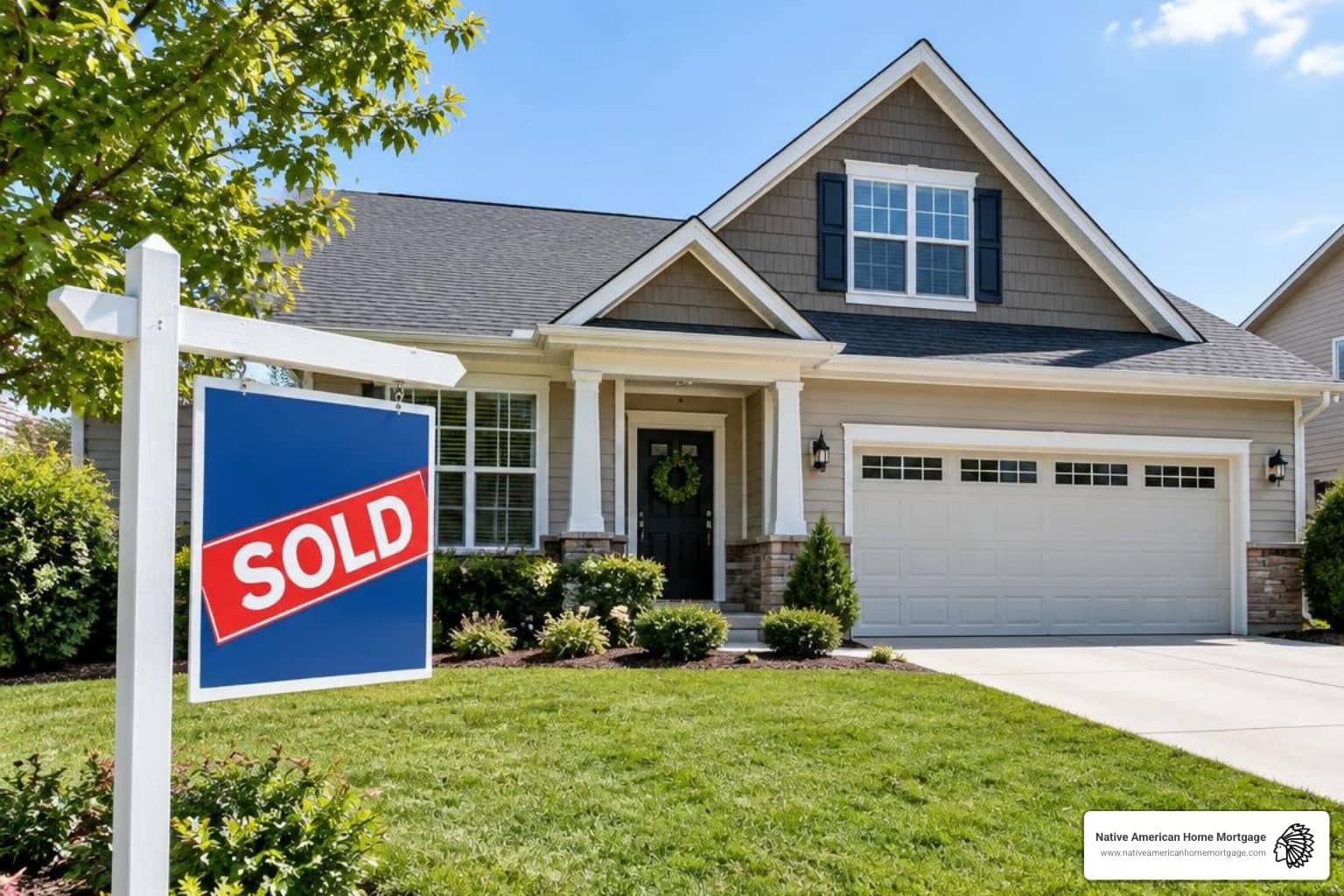
- Closing and Loan Funding: You sign final mortgage disclosures, pay remaining down payment or closing costs, and receive the keys to your home.
Borrowers can review state-specific lending parameters in our detailed guide on HUD 184 loans and how to get approved in your state.
Required Documentation Checklist
To streamline your application, assemble these core records in advance:
- Identity & Heritage: State-issued driver’s license, Social Security card, and Tribal ID or Certificate of Degree of Indian Blood (CDIB).
- Income Verification: Most recent 30 days of pay stubs, W-2 forms from the last two years, and signed federal tax returns (IRS 1040s) for the past two consecutive years.
- Self-Employed Financials: Year-to-date profit-and-loss statements, balance sheets, and business tax returns for self-employed applicants.
- Asset Documentation: Last two to three months of checking, savings, and investment account statements demonstrating source of funds for down payment and closing costs.
- Real Estate Documentation: Fully executed purchase contract, property disclosures, and, if applicable, land lease agreements or construction contracts.
Navigating Tribal Trust Land Bureaucracy
Purchasing or building a home on tribal trust land involves specialized legal procedures to ensure tribal sovereignty is respected while securing the mortgage:
- Residential Leases: Because trust land cannot be encumbered with a private deed of trust, the tribe grants a long-term residential lease (typically 50 years) to the borrower, which is then pledged as leasehold collateral.
- Title Status Reports (TSR): The Bureau of Indian Affairs Land Titles and Records Office (LTRO) reviews tribal land records to produce Certified Title Status Reports, confirming that the leasehold estate is free of conflicting encumbrances.
- Tribal and BIA Approvals: The lease agreement and mortgage instrument are formally approved by the tribal government and the BIA before closing.
To avoid bureaucratic hold-ups, read our guide on applying for HUD 184 benefits without getting lost in the bureaucracy.
Frequently Asked Questions About Section 184 Loans
Can I use a Section 184 loan to refinance an existing home mortgage?
Yes. The Section 184 program provides multiple refinancing paths:
- Rate-and-Term Refinance: Replace an existing high-interest mortgage (including conventional, FHA, or USDA loans) with a Section 184 mortgage to reduce your interest rate, shorten your loan term, or eliminate costly monthly mortgage insurance.
- Streamline Refinance: If you already have a Section 184 loan, a streamline refinance allows you to lower your interest rate with reduced underwriting documentation and without requiring a new property appraisal.
- Cash-Out Refinance: Extract accumulated home equity up to HUD-established loan-to-value limits to fund home improvements, pay down higher-interest consumer debt, or address major life expenses.
What are the maximum loan limits for Section 184 financing?
HUD establishes annual loan limits for Section 184 financing on a county-by-county basis across the United States. These limits are calculated as a percentage of conforming loan limits and are adjusted to reflect local median home prices. In high-cost housing markets, single-family limits are substantially higher to ensure Native borrowers retain adequate purchasing power. Check with your loan officer to confirm the exact lending cap for the specific county where you intend to purchase.
Is homebuyer education mandatory before closing?
While homebuyer education is not universally required by HUD for every standard Section 184 transaction, completing a HUD-approved homebuyer education course is strongly recommended. Many tribal housing authorities and down payment assistance programs do mandate course completion as a condition for receiving tribal grant funding. These courses provide valuable guidance on household budgeting, home maintenance, and managing long-term loan obligations.
Conclusion
The Section 184 program remains one of the most effective tools available for Native American and Alaska Native families seeking to build long-term personal wealth and establish homeownership. By eliminating heavy down payment burdens, waiving monthly private mortgage insurance, and accommodating tribal trust land tenure, the program opens doors that traditional lending often keeps closed.
Whether you are purchasing your first home off-reservation, building on ancestral tribal trust land, or refinancing an existing mortgage, our team at Native American Home Mortgage has the specialized expertise required to guide you across the finish line.
Explore our comprehensive HUD 184 program overview to start your path toward homeownership today.